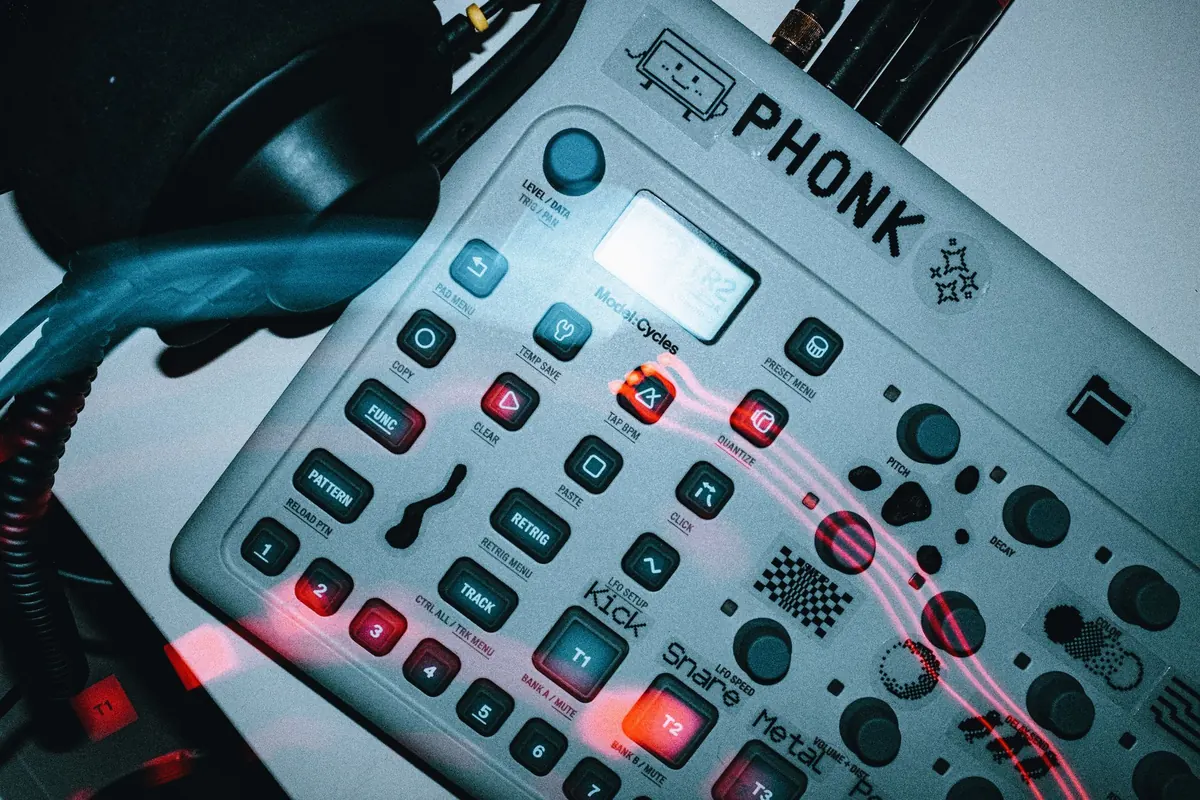
Ambient music can be made with almost nothing: one sustained note, a room tone, a soft pulse. But a good sample pack saves you hours of hunting and shaping when you are just starting out. The trick is knowing which free packs are worth your hard drive space. Some are polished, ready-to-use and generous with loops. Others are a jumble of raw recordings that need work. This guide compares the free options that consistently help beginners make better ambient tracks, with an eye on sound quality, range and how quickly you can get something playable.
What separates a useful free ambient pack from a dud
Before you download anything, know what you are looking for. A free pack does not need to be huge. It needs to be usable. The best ones share a few practical qualities.
- Clean recordings. No clipping, no overwhelming hiss, no heavy processing you cannot undo.
- Loops that actually loop. Seamless tails, consistent tempo and key labels where relevant.
- Range without clutter. Pads, drones, textures, field recordings, one-shots and the occasional melodic loop.
- A clear licence. You need to know whether commercial use is allowed, whether attribution is required and whether you can redistribute the samples.
- Sensible file names and folders. A pack called Ambient_Texture_03_Cmin.wav is far more useful than audio1.wav.
- Manageable size. A few hundred megabytes of good material beats ten gigabytes of duplicates.
If a pack fails on three or more of those points, delete it. Your future self will thank you.
The best free sources for beginners
These are not all traditional sample packs, but they are the places beginners return to again and again. Each has a different strength.
Freesound
Freesound is a community library of field recordings, textures, drones and strange noises. Quality varies wildly, which is both its weakness and its charm. Search for terms like “ambient drone”, “room tone”, “rain on window”, “metal resonance” or “forest at night”. Use the licence filter if you want the fewest restrictions. Ease of use is medium: you will need to audition and edit. Variety is excellent. For raw material, nothing else free comes close.
99Sounds and similar curated collections
99Sounds releases free packs with a strong focus on texture, cinematic sound and experimental production. The packs are usually well organised, lightly processed and ready to drop into a DAW. They are easy for beginners because the sounds already sit in an ambient context. Quality is high. Variety is good, though you will not find endless drum loops. Always check the licence file inside each pack.
Cymatics, Ghosthack and free label sections
Larger sample sites often have a free section aimed at electronic producers. These packs lean towards EDM, trap and cinematic music, but they frequently include atmospheric loops, risers, foley and one-shots that work in ambient. Ease of use is high. Quality is polished. Variety is mixed, so treat them as a source of accents rather than your main palette.
Spitfire Audio LABS, Komplete Start and free instrument libraries
These are not loop packs in the traditional sense. They are free sampled instruments that run inside a plugin. LABS, for example, offers soft pianos, strings, pads and unusual textures. Komplete Start includes a broad set of instruments and sounds. Decent Sampler hosts many free ambient instruments from independent creators. Ease of use is high once installed, quality is often excellent, and variety is strong. The trade-off is that you play them rather than drag and drop them.
Internet Archive and BBC Sound Effects
Both are deep archives of field recordings, vintage radio, nature sounds and historical audio. They are brilliant for texture and atmosphere. Ease of use is lower because files can be long, noisy or poorly labelled. Quality is variable. Variety is enormous. Read the terms carefully, especially for commercial projects.
Quick comparison
- Freesound — best for variety and raw material.
- 99Sounds — best for curated, ready-to-use textures.
- Cymatics and Ghosthack free packs — best for polished loops and one-shots.
- LABS and free instrument libraries — best for playable pads, keys and strings.
- Internet Archive and BBC Sound Effects — best for field recordings and unusual textures.
How to judge a free pack in five minutes
Do not download twenty packs and then wonder why you feel overwhelmed. Use this quick test instead.
- Download one pack at a time.
- Listen to five to ten samples. Skip anything that clips, hisses badly or sounds identical to the last file.
- Drop two loops into your DAW. Slow them down. Add reverb. Do they still hold up?
- Check the file names. Can you find a pad, a texture and a one-shot without opening every folder?
- Read the licence. If you cannot find it, assume the pack is for practice only.
Five minutes of testing saves hours of frustration later.
Making free samples sound like a finished ambient track
Free samples rarely arrive finished. That is a good thing. Ambient music rewards gentle transformation. Try these techniques:
- Layer a field recording under a pad. Keep the recording quiet, around 15–20 dB below the pad.
- Pitch a loop down by five to twelve semitones. Instant drone.
- Use a low-pass filter to remove harsh highs. Ambient does not need bright, sharp edges.
- Add long reverb and a slow delay. Set the delay to a dotted eighth or quarter note.
- Resample your own textures. Record the output of a reverb, then use that as a new sample.
- Leave space. Silence is an instrument.
A single sustained pad, one field recording and one soft bell can carry a two-minute track if the automation moves slowly enough.
Organising your free ambient library
Free packs multiply quickly. A simple folder structure keeps you productive. Try this:
- 01_Drones
- 02_Textures
- 03_Field_Recordings
- 04_One_Shots
- 05_Loops_60–80BPM
- 06_Loops_90–120BPM
- 07_Unsorted
Rename files with key, tempo and a short description. Most DAWs let you tag or favourite sounds in the browser. Use that feature. Back up your library once a month. Keep a separate “test” folder for packs you have not auditioned yet, and empty it regularly.
Your first three free packs
Start with Freesound for raw material, 99Sounds for curated textures and LABS for a playable instrument. That combination gives you field recordings, loops and keys without spending anything. Download one pack from each, spend an hour making a two-minute track, then decide what is missing. If you need more movement, add a free modulation plugin. If you need more atmosphere, record ten minutes of room tone. If you need more melody, use a soft piano one-shot and stretch it.
The best free ambient sample pack is the one you actually use. Keep your library small, learn a few sounds deeply, and let the quiet parts do the work. Licence terms vary between packs and platforms, so always read the included terms before releasing music commercially; if you are unsure, use the sound for practice only or contact the creator.
Photo: Egor Komarov / Pexels